OMED 2025 Self-Study Course Pediatrics
Experience the Pediatrics program with a fresh lineup of high-impact, practice-focused presentations delivered by frontline clinicians. Designed for flexibility, this self-study course lets you watch or listen on your schedule while staying current on the clinical topics that matter most to your everyday practice.

These presentations deliver evidence-based, clinically relevant content focused on practical application and strategies to enhance patient care and outcomes.
The Pediatrics self-study course brings the energy and expertise of the OMED 2025 hybrid conference directly to you. Featuring both video and audio formats, this program allows you to earn AOA Category 1-A CME credit while watching or listening from home, the workplace, or while traveling.

Earn Up to 15.75 AOA Category 1-A CME Credits!
OMED 2025 – Pediatrics
Course Topics
Using the Still Technique for Pediatric Patients With Lab
Leslie Ching, DO
DURATION: 1 hour, 30 minutesOMT – Osteopathic Medicine for the Performing Artist
Sajid Surve, DO
DURATION: 45 minutesOMT – Osteopathic Medicine for the Performing Artist LAB
Sajid Surve, DO
DURATION: 1 hourOMT Aftercare and Stretching
David M. King, DO, FACOP
DURATION: 1 hourMeasles: A Facepalm Heard Around the World
Michael J Bozzella, DO, MS
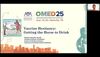
DURATION: 45 minutesVaccine Hesitancy: Getting the Horse to Drink
Michael J Bozzella, DO, MS
DURATION: 45 minutesDysphagia + Atopy: A Recipe for Eosinophilic Esophagitis
Gabriele Meyer, DO
DURATION: 1 hour, 15 minutesGoodbye NAFLD, Hello Metabolic Dysfunction-Associated Steatotic Liver Disease (MASLD)
Gabriele Meyer, DO
DURATION: 1 hour, 30 minutesAnti-obesity Medication Management for the Pediatric Population
Tyree M.S. Winters, DO, FACOP, FAAP
DURATION: 1 hour
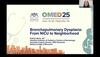
Basics of Bronchopulmonary Dysplasia for the Non-Neonatologist
Kathryn Berlin, DO
DURATION: 45 minutesBuilding Better Care: A Pediatrician’s Guide to the Execution of Practical Quality Improvement
Kathryn Berlin, DO
DURATION: 45 minutesAutism Evaluations in Primary Care (Questions)
Brittany Perry, DO
DURATION: 1 hourSupporting Autistic Children and Their Families in Primary Care
Brittany Perry, DO
DURATION: 45 minutesChemotherapy vs Immunotherapy
Kaille Meguiar, DO
DURATION: 45 minutesAnemia 101
Kaille Meguiar, DO
DURATION: 45 minutesCaring for Pediatric Cancer Survivors
Debra L. Friedman, MD, MS
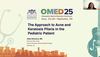
DURATION: 30 minutesThe Approach to Acne and Keratosis Pilaris
Aleta Simmons, MD
DURATION: 30 minutesSpot, Treat, Refer: Clinical Management of Pediatric Hemangiomas
Aleta Simmons, MD
DURATION: 30 minutes
Course Faculty
Kathryn Berlin, DO

Michael J. Bozzella, DO, MS

Leslie Ching, DO

Debra L. Friedman, MD, MS

David M. King, DO, FACOP

Kaille Meguiar, DO

Gabriele Meyer, DO

Brittany Perry, DO

Aleta Simmons, MD

Sajid Surve, DO

Tyree M.S. Winters, DO, FACOP, FAAP

Missed OMED 2025? The self-study program lets you experience this series of expert-led presentations anytime, anywhere, and at your own pace.
- Don’t miss family/work obligations
- Avoid the expense and hassles of travel
- Offered in video and audio formats for convenient, self-paced learning
- Approved for AOA Category 1-A CME credit
Self-Study CME Accreditation
AOA designates this activity for a maximum of 15.75 AOA Category 1-A CME credits. Physicians should claim only the credit commensurate with the extent of their participation in the activity.
The American Osteopathic Association (AOA) is accredited by the Accreditation Council for Continuing Medical Education (ACCME) to provide continuing medical education for physicians.
Target Audience
This activity is for osteopathic physicians and other health care professionals.
Learning Objectives
After completing this activity, learners will be able to:
- Highlight the evidence on new, revised, and standard treatment approaches for a variety of medical conditions as they relate to physicians
- Review revisions in clinical practice guidelines and evaluate clinical practice implications
- Describe updates in clinical decision tools for screening and differential diagnosis of diseases